
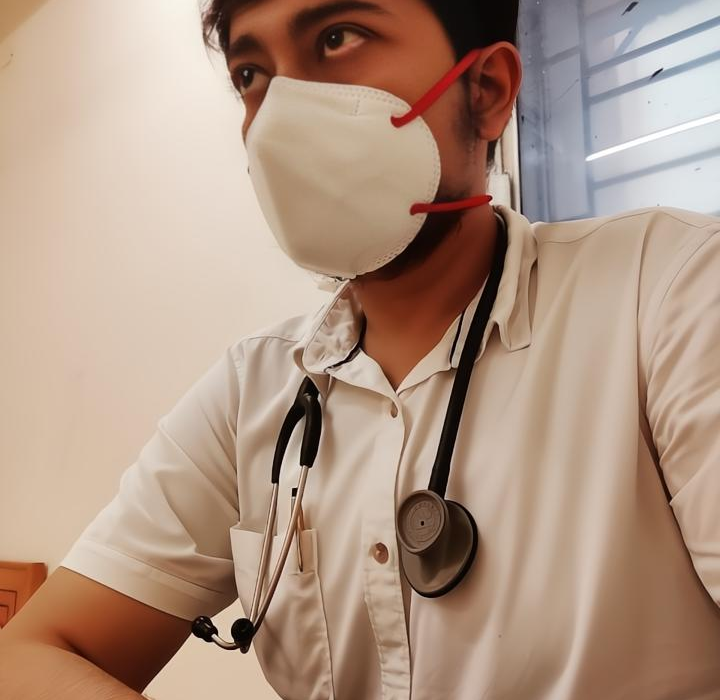
Why Regular Health Check-ups Can Save Your Life
Maintaining good health is one of the most important aspects of living a long, fulfilling life. While a healthy lifestyle, balanced diet, and regular exercise are essential, regular health check-ups are equally important. Many health conditions, such as high blood pressure, diabetes, heart disease, and certain cancers, may not show obvious symptoms in the early stages. Detecting these conditions early through routine medical check-ups can save your life.
In this guide, we will explore why regular health check-ups are crucial, what they typically involve, and how they help in preventing and managing serious health issues.
1. Early Detection of Silent Diseases
Many serious illnesses develop silently, showing minimal or no symptoms until they reach an advanced stage. Regular health check-ups allow doctors to detect these conditions early, which significantly improves the chances of successful treatment.
Examples of silent diseases:
- High blood pressure (Hypertension): Often called the “silent killer” because it can damage the heart and kidneys without obvious symptoms.
- Diabetes: Early stages may have mild symptoms like fatigue or increased thirst, often overlooked.
- Heart disease: Risk factors like high cholesterol and plaque buildup can be detected early.
- Certain cancers: Routine screenings like mammograms, Pap smears, and colonoscopies can identify cancer at an early, more treatable stage.
Early detection leads to timely treatment, fewer complications, and a higher chance of recovery.
2. Understanding Your Health Baseline
Regular check-ups help establish your baseline health—a record of your normal blood pressure, blood sugar, cholesterol, weight, and other vital parameters. By knowing your baseline:
- Doctors can detect deviations and diagnose conditions earlier.
- You can track your health trends over time.
- It becomes easier to prevent future health problems.
3. Prevention is Better than Cure
Health check-ups are not just about diagnosing diseases—they are also about preventing them. Doctors can provide:
- Lifestyle advice: Diet plans, exercise routines, and stress management techniques.
- Vaccinations: Flu shots, hepatitis vaccines, and other immunizations.
- Screenings: Early identification of risk factors for heart disease, diabetes, and cancer.
Prevention is far easier, less costly, and less stressful than treating advanced illnesses.
4. Detecting Risk Factors Early
Even if you feel healthy, you may have underlying risk factors for chronic diseases. Regular check-ups help detect:
- High cholesterol levels
- High blood sugar levels
- Obesity or unhealthy body mass index (BMI)
- Family history of heart disease, diabetes, or cancer
Knowing these risk factors allows you to take proactive measures to reduce your chances of developing serious conditions.
5. Peace of Mind
Visiting your doctor regularly provides mental reassurance. Knowing that your health is being monitored and any potential problems are caught early reduces anxiety and stress. It empowers you to make informed lifestyle choices and focus on long-term wellness.
6. Health Check-ups for Different Age Groups
Young Adults (20–40 years)
- Baseline blood pressure, cholesterol, and blood sugar tests
- Body mass index (BMI) and lifestyle assessment
- Vaccinations and preventive screenings
Middle-Aged Adults (40–60 years)
- Regular blood sugar and cholesterol monitoring
- Heart health evaluation (ECG, stress tests)
- Cancer screenings (mammogram, Pap smear, colonoscopy)
- Eye and dental check-ups
Seniors (60+ years)
- Bone density tests
- Kidney and liver function tests
- Cardiac evaluations
- Vision and hearing assessments
- Comprehensive geriatric screenings
7. Role of a Trusted Doctor
Having a trusted general medicine and specialist doctor ensures that:
- Check-ups are comprehensive and personalized
- Risk factors and family history are considered
- You receive timely advice on lifestyle changes, diet, and medications
A doctor like Dr. Rahul Ghosh, experienced in general medicine and cardio-diabetic care, can guide you in monitoring heart health, managing diabetes risk, and maintaining overall wellness.
8. How Often Should You Get a Check-up?
The frequency of check-ups depends on age, lifestyle, and existing health conditions:
- Healthy adults under 40: Every 2–3 years
- Adults 40–60: Every 1–2 years
- Adults 60+: At least once a year
Those with chronic illnesses or family history of serious conditions may need more frequent monitoring.
9. Key Health Check-up Tests
Some essential tests and screenings include:
- Blood pressure and heart rate
- Blood sugar (Fasting and HbA1c)
- Cholesterol and lipid profile
- Kidney and liver function tests
- Complete blood count (CBC)
- Body mass index (BMI) and waist circumference
- Cancer screenings based on age and risk
These tests provide a comprehensive picture of your health and help doctors detect potential problems early.
10. Conclusion
Regular health check-ups are not just routine—they are a lifesaving habit. They help detect silent diseases, identify risk factors, prevent complications, and give peace of mind.
By prioritizing your health and scheduling regular visits with a trusted physician like Dr. Rahul Ghosh, you are investing in a longer, healthier, and happier life.
Remember: Early detection is key. Don’t wait for symptoms—take charge of your health today!