
Top Lifestyle Changes to Manage Diabetes Effectively
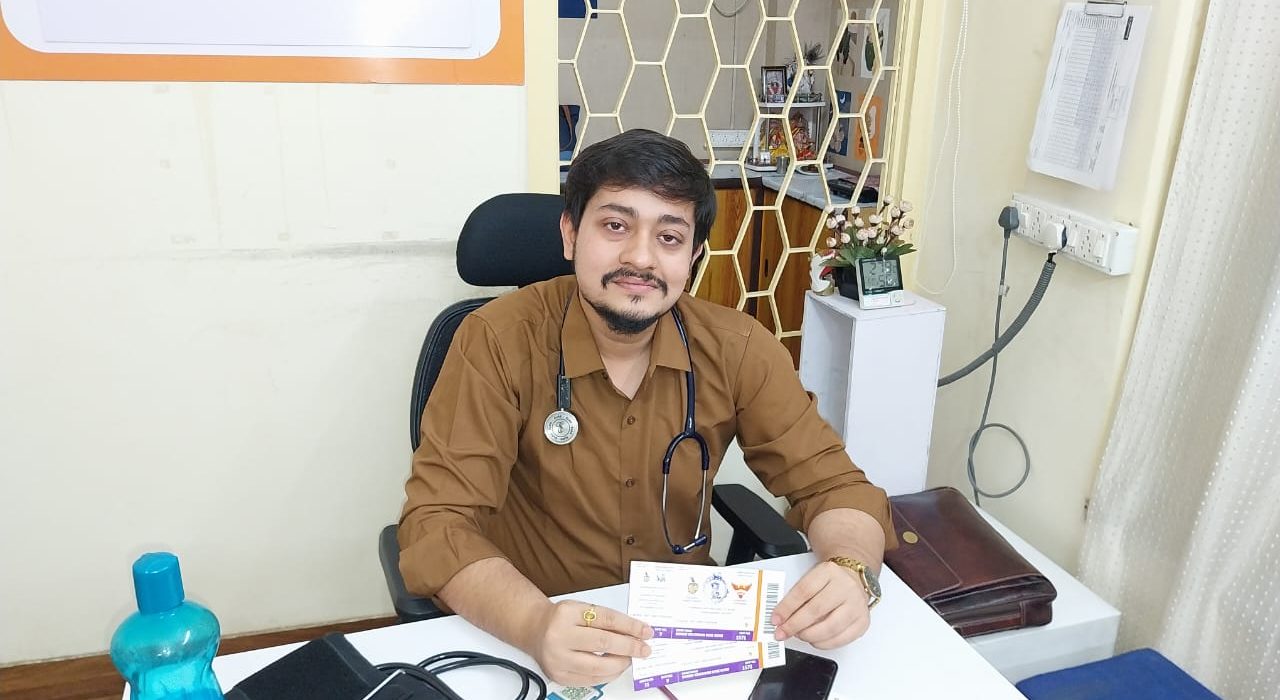
Diabetes is a chronic condition that affects millions of people worldwide, and managing it goes far beyond just taking medication. Effective diabetes management combines medical treatment with smart lifestyle choices. Dr. Rahul Ghosh, a renowned diabetologist and general medicine consultant in Jadavpur, Kolkata, emphasizes a patient-centered approach that empowers individuals to take control of their health. Here’s a comprehensive guide on lifestyle changes that can help manage diabetes effectively.
1. Healthy Eating Habits
A balanced diet is the cornerstone of diabetes management. Patients should focus on:
- Low-Glycemic Foods: Choose whole grains, legumes, vegetables, and fruits with a low glycemic index to maintain stable blood sugar levels.
- Portion Control: Eating smaller, frequent meals can help prevent spikes in blood sugar.
- Meal Timing: Consistency in meal times helps regulate insulin and glucose levels.
- Limiting Processed Foods: Reduce sugary snacks, refined carbs, and high-fat processed foods that can worsen blood sugar control.
Tip: Keeping a food diary can help track what works best for your body and prevent overeating.
2. Regular Physical Activity
Exercise is a natural way to manage blood sugar. It helps insulin work more efficiently and supports heart health.
- Recommended Activities: Walking, swimming, cycling, yoga, and resistance training.
- Consistency Matters: Aim for at least 30 minutes of moderate exercise, 5 days a week.
- Incorporate Movement: Even small changes, like taking stairs or short walking breaks, make a difference.
Tip: Consult your doctor before starting a new exercise routine, especially if you have other medical conditions.
3. Monitoring and Self-Care
Being proactive about your health can prevent complications:
- Home Glucose Monitoring: Track your blood sugar levels regularly to understand trends and triggers.
- Recognize Symptoms: Learn the signs of high (hyperglycemia) and low (hypoglycemia) blood sugar to act promptly.
- Maintain a Log: Record your meals, exercise, and blood sugar readings to share with your doctor for better treatment planning.
4. Stress Management and Quality Sleep
Stress and poor sleep can directly affect blood sugar control.
- Stress-Reduction Techniques: Meditation, deep breathing exercises, mindfulness, and hobbies can reduce stress levels.
- Sleep Hygiene: Maintain a consistent sleep schedule, avoid heavy meals before bed, and limit screen time in the evening.
Tip: Even 20-30 minutes of relaxation or light stretching before bed can improve sleep quality.
5. Regular Check-Ups
Routine medical consultations are essential for preventing complications and adjusting treatment plans.
- Periodic Blood Tests: HbA1c, lipid profile, kidney function tests, and eye exams.
- Personalized Advice: Work with your doctor to tailor diet, medication, and lifestyle changes to your unique needs.
Dr. Rahul Ghosh emphasizes that diabetes management is a journey. Regular follow-ups, combined with a proactive lifestyle, can help patients achieve long-term wellness.
Conclusion
Managing diabetes effectively requires a combination of medical care and lifestyle adjustments. By adopting a balanced diet, staying physically active, monitoring blood sugar, managing stress, and maintaining regular doctor visits, you can take control of your health and live a full, active life.
Book an Appointment
If you’re looking for expert guidance in diabetes management, consult Dr. Rahul Ghosh at his Jadavpur clinic, where patient-centered care and personalized treatment plans help you achieve lasting wellness.